Part 4 of the series → start at the Period-End Closing overview.
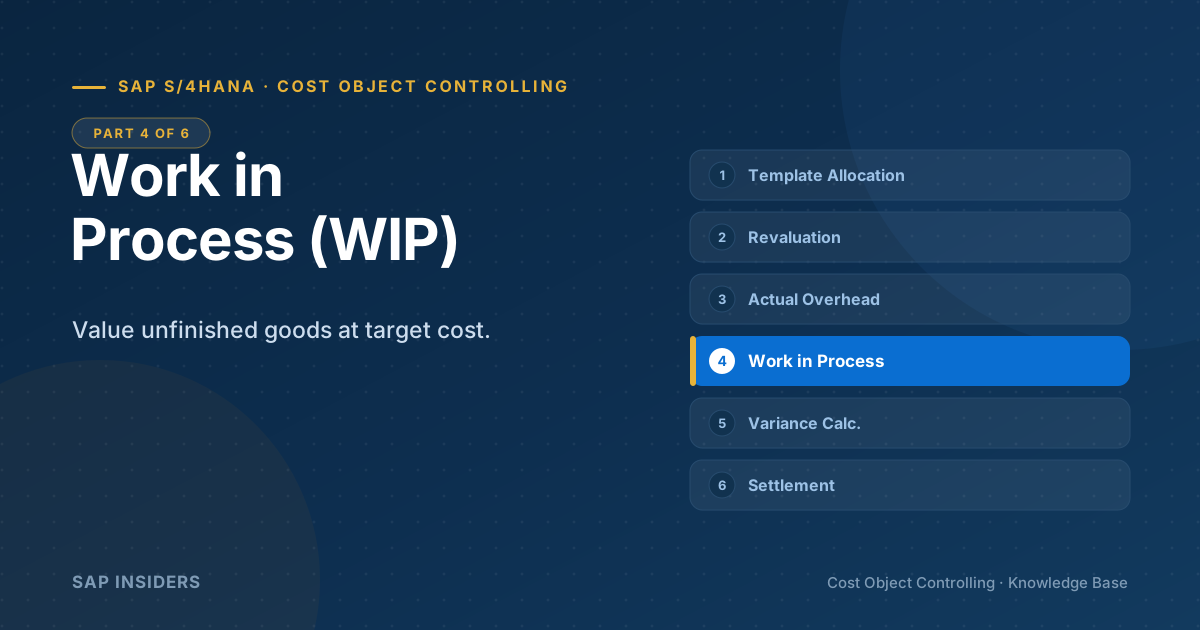
Not everything on the collector is finished at month-end. Work in process (WIP) values the unfinished part so it can sit on the balance sheet as inventory instead of distorting the period's cost of goods. In Product Cost by Period, WIP is valued at target cost — not at the actual costs incurred.
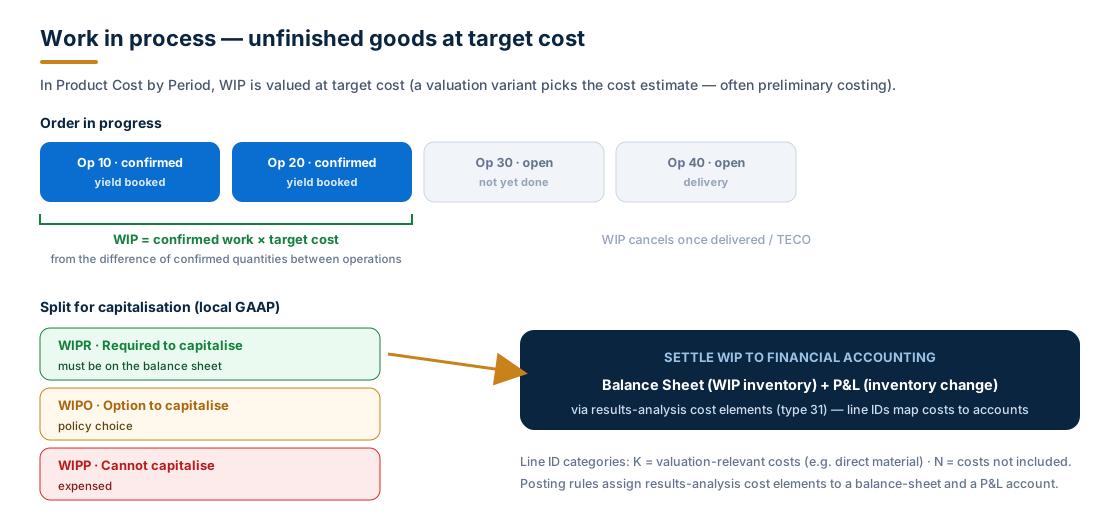
How WIP is calculated
The system works from confirmations: the difference in confirmed quantities between an operation and the previous one gives the WIP quantity at each stage. That quantity is multiplied by the calculated cost for all operations up to that point. A valuation variant (Customizing) decides which cost estimate supplies the target costs — for a product cost collector, preliminary costing within the collector is often the right choice. WIP is calculated until the order is delivered or technically complete, at which point it is cancelled.
Target costs can come from:
- the preliminary cost estimate of the collector,
- an alternative material cost estimate (e.g. a modified standard or actual cost estimate), or
- the current standard cost estimate released in the material master.
The capitalisation split
Local accounting rules decide how much WIP may go on the balance sheet, so each cost line is split into:
- WIPR — required to be capitalised
- WIPO — option to be capitalised
- WIPP — prohibited from capitalisation
You assign cost elements to line IDs (category K for valuation-relevant costs such as direct material; category N for costs not to be included), and a results analysis category governs how the analysis is handled via results-analysis cost elements (type 31). Posting rules then map those to two G/L accounts so settlement writes to a balance-sheet account and a P&L account — and you can route material, labour and overhead WIP to different accounts if you wish.
Why it matters
WIP is what keeps the income statement honest mid-production: costs for goods you haven't finished are parked as inventory, not expensed. Valuing it at target cost also means the variance calculation that follows works on a clean, comparable base.
The full series
- Template Allocation
- Revaluation at Actual Prices
- Actual Overhead Calculation
- Calculating Work in Process (WIP) — you are here
- Variance Calculation
- Settlement
Next: Variance Calculation →