Part 3 of the series → start at the Period-End Closing overview.
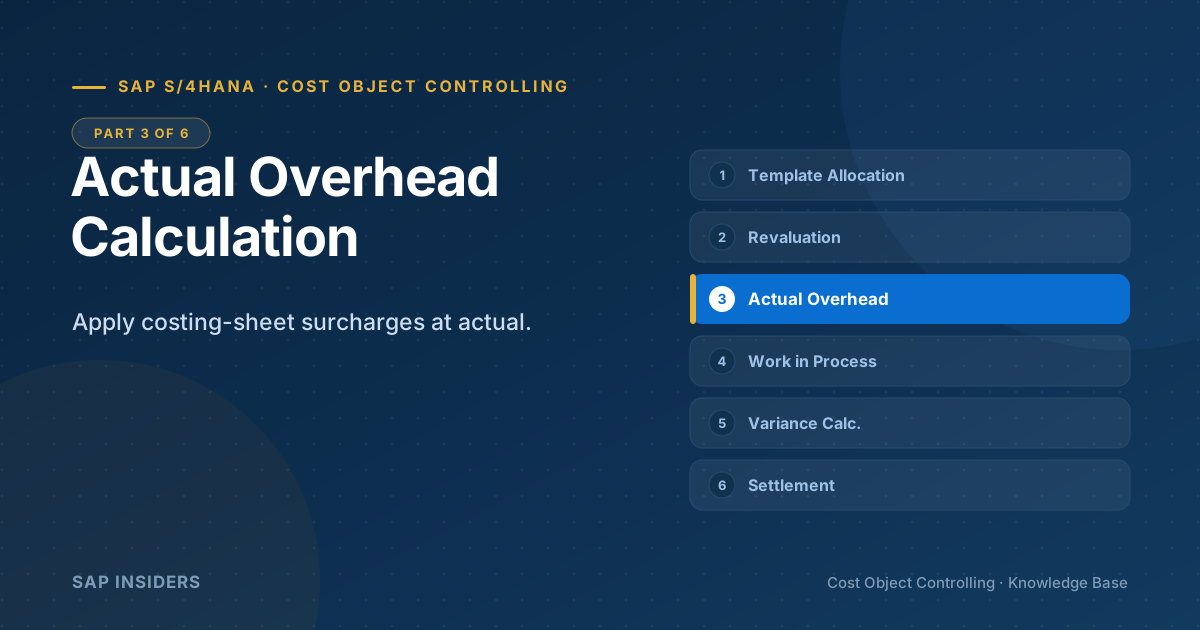
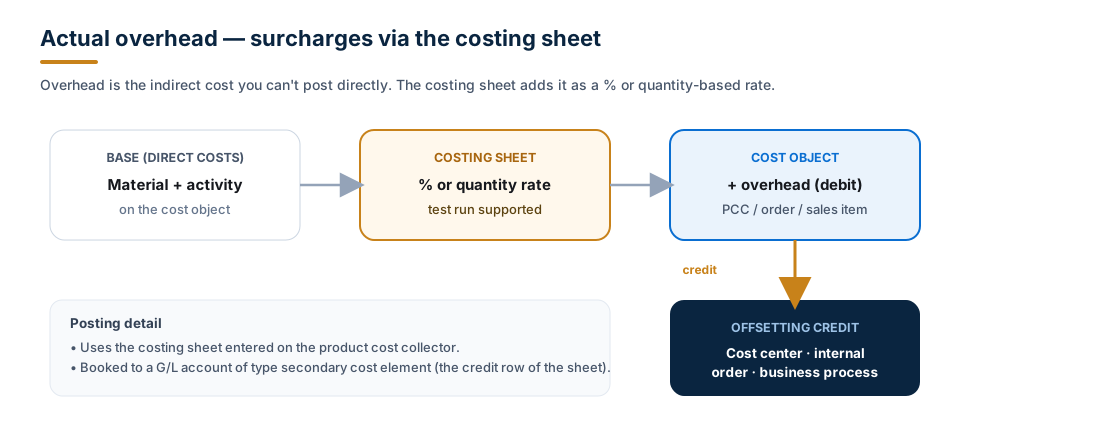
Some costs can't be booked straight to a product — think factory administration or procurement effort. Actual overhead calculation allocates those indirect costs to cost objects using surcharges defined in the costing sheet, either as a percentage or a quantity-based rate. You can always preview the result with a test run first.
What gets posted
The run produces a two-sided posting:
- Debit — overhead is charged to the cost object (product cost collector, manufacturing order, sales-order item, or general cost object).
- Credit — an offsetting entry relieves the source. The available offset objects are a cost center, an internal order, or a business process.
The posting uses a G/L account of type secondary cost element — specifically the cost element named in the credit rows of the costing sheet. Actual overhead calculation uses whichever costing sheet is entered on the product cost collector.
Why it matters
Overhead is real money that has to land on products to make per-unit cost meaningful. Doing it through the costing sheet keeps the rates consistent with planning and makes the allocation auditable — base, rate, and credit object are all visible — rather than hidden in a manual journal.
The full series
- Template Allocation
- Revaluation at Actual Prices
- Actual Overhead Calculation — you are here
- Calculating Work in Process (WIP)
- Variance Calculation
- Settlement